In my previous post I researched the history and rules of different magazines, today I will be putting that research into practice, I will be analyzing the design of Fashion, Beauty, and Travel and discover the layout and how it has different appeals for different audiences.
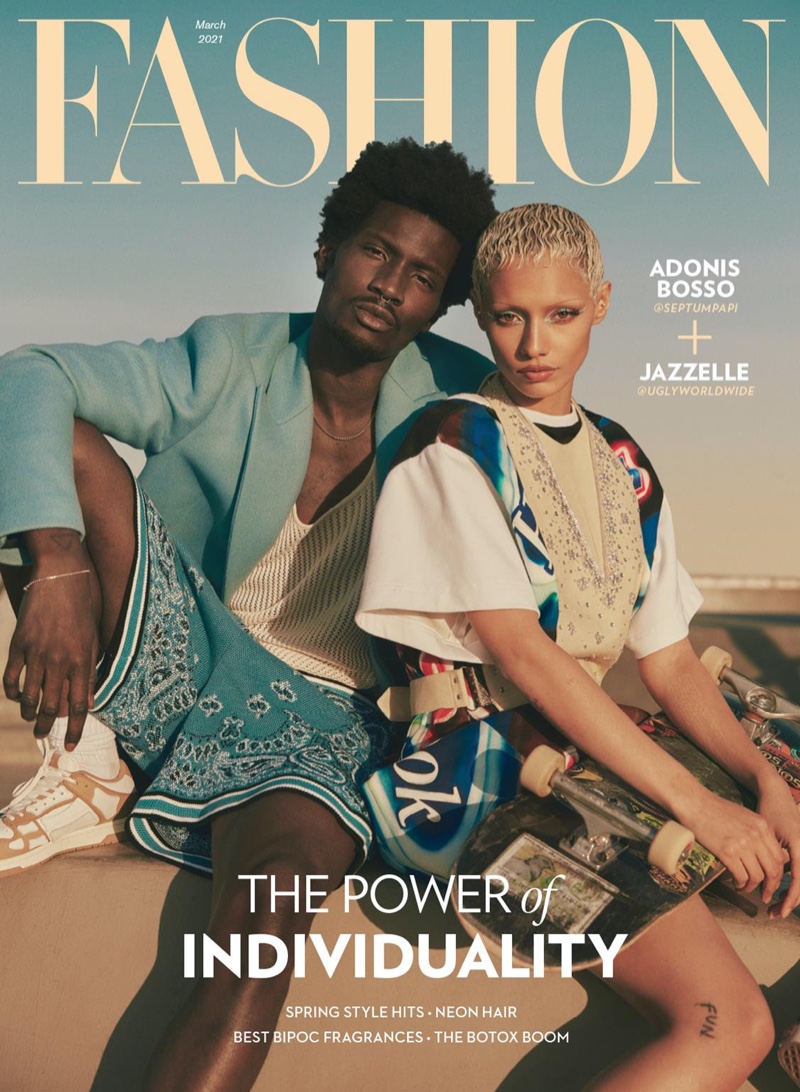
For fahsion I looked over a few issues of Vogue and Elle, they both rely on brand influence. In fahsion magazines you typically notice the overlapping masthead, usually the model's head or hair covers the magazine title to emphasize the famous cover star and to signal the brand recognition. As well to highlight the fashion the page other than the logo. Fashion magazines use elegant fonts to make it look expensive and classic, for example Vogue magazine uses Didot typeface. Fashion magazines usally have lots of "dead space" its used so it doesn't crowd the model and as well to make it look more high-end.


https://www.sheridan.com/magazines-register/the-elements-of-cover-style/
The beauty magazines Allure and Cosmo are the opposite, it's much more energetic and crowded. The beauty shot/ head shot, in beauty its all about the face, to be able to show off skin, makeup, and hair. Puffs are a big factor in beauty magazines, often saying NEW/WINNER, they do this to make the reader feel like they're getting secret insight and deals. Beauty magazines use bright pop of colors, using bright pink, red, and neon specifically to catch your eye while you're walking past a magazine stand.

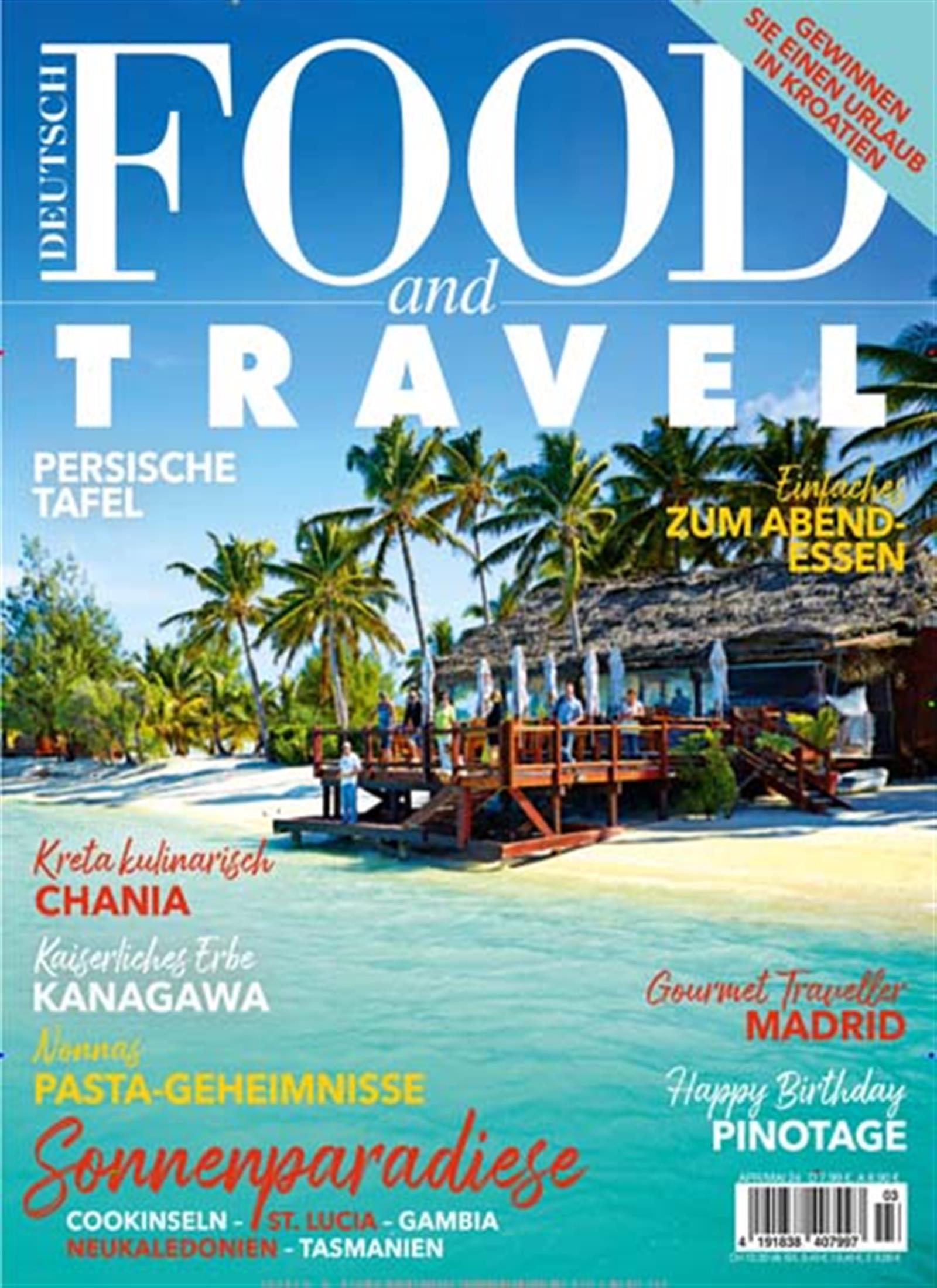
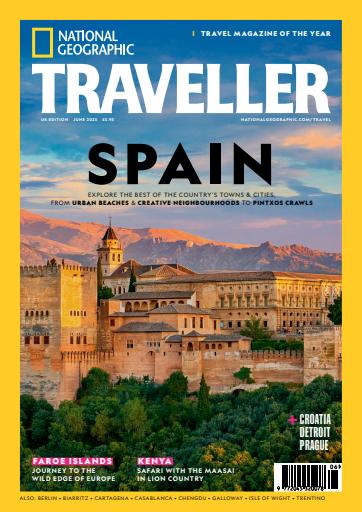
Travel magazines I looked at were Condé Nast Traveler and National Geographic Traveler. Both magazines use immersive photography, usually using one solid image that takes up the entire cover. They use aesthetically appealing photos to bring their audience in and grab their attention quick. They tend to use Sans-Serif fonts to make it look more clean, modern-looking, and also journal-like to get that adventurous feel. For the travel magazines' cover image they use the rule of thirds, sometimes using a mountain, beach, someone on a boat, it is almost never centered directly in the middle, normally is off to the side, making the layout feel more balanced. Placing the image a little more to the right or left gives area to place cover lines or the magazine title without covering parts of the photo.
Fashion magazines expanded in the late 19th century and began being published on November 2, 1867by a New York based firm. They started in the early 1900s as printed magazines, examples like Vogue and Harpers Bazaar helped introduce new styles to the public and at first were read by a more wealthyaudience. Fashion magazines show what is currently popular and influnces how people dress and express themselves. The main goal is to inspire people about fashion trends, designers, beauty tips, and celebrity style, as well as advertising products. Majority of fashion magazines make their profit off ofadvertisements from fashion and beauty brands, ads are a major part of the magazine to influence readers. Today many fahsion magazines have moved online through websites, social media, and apps. This allows them to reach a younger audience and respond to trends quicker.
Beauty magazines started in the late 17th century with publications from Britains “The Ladie’s Mercury” in 1693 and the American ladies magazine. Beauty magazines targets a specific audience, primarily women and teenage girls, interested in makeup, skincare, and self-care. It represents an idea of beauty, body image, gender, and indetity, in the past it has promoted narrow beauty standards but more recent beauty magazines has aimed to show diversity in race, body type, and gender expression. Beauty magazines have a powerful influence on self-image, behavior, and beauty trends, what it chooses to feature can shape what audiences believe is beautiful and intriguing. Many beauty magazines now focus more on online content as well as social media to get influencers to collaborate to reach youngeraudiences and to stay current.
Travel magazines offer inspiration and information on destinations, featuring photography, facts, culture, food, and historical landmarks. Travel magazines are typically aimed at middle- to upper-class audiences who can afford to travel. They represent destinations as beautiful and desirable, often showing idealized versions of places while ignoring the everyday struggles of local people. The majority of travel magazines are owned by large media companies, and this ownership can influence which destinations are promoted. Travel magazines have the power to shape where people want to travel and how different cultures are perceived. Many popular destinations become trendy because of how they are promoted by the media over time. Advertising also generates profit not only for travel destinations, but for airlines, hotels, and resorts. Travel magazines promote the idea of escaping reality and associate travel with luxury and freedom.


Hey Blog! for my final production on my magazine have answered the key four CCR questions. CCR Question 1 https://youtu.be/Uixg84ogcAg CCR...