Tuesday, April 14, 2026

CCR


 Hey Blog! for my final production on my magazine have answered the key four CCR questions.


CCR Question 1 


https://youtu.be/Uixg84ogcAg


CCR Question 2


https://youtube.com/shorts/gybgys4RnPw?feature=share


CCR Question 3


https://youtube.com/shorts/d75mItTJjtc?feature=share


CCR Question 4


https://youtube.com/shorts/M_SAMYvwsKg?feature=share

Sunday, February 1, 2026

Behind the scenes of a Beauty Magazine

    Beauty magazines are more than just pretty pictures and makeup tips, theres a whole process behind the pages. First the editorial team plans the content for the issue, deciding which trends, products, and celebritys look to feature. Writers create artucles on makeup tutorials, skincare routines, and wellness tips, fact checkers ensure all information is accurate before publishing.

    Then the photograpgy and design teams capture high quality images of models, beauty products, and step by step tutorials, using professionl lightning and editinf to make evert page visually appealing. Designers arrange the layout choosing fonts, colors, image placement to match the magazines style and making it easy to read. Elements like the masthead, coverlids, and table of contents are carefully planned to attract readers and maintain brand consistency.

    The magazine is then reviewed and publisged before going to print or digital release. Social media trends and celebrity beauty routines often influence which content makes the cut, ensuing the magazine stays current and relatable.

    In my own magazine, I would apply these conventions by planning content that focuses on trending makeup looks, skincare tips, and celebrity beauty routines. I would include high-quality images, a clean layout, and a consistent color palette that matches the magazine’s theme. By carefully organizing articles and visuals, I can create a magazine that is engaging, visually appealing, and tailored to my target audience of teens and young adults who love experimenting with beauty products and staying up-to-date with trends.

Behind the Scenes | What It Takes to Create a Magazine — Rose & IvyLuxury: behind the scenes - Make Magazine


Photography in Beauty Magazines

    In beauty magazines, photography is the primary subject of the brands visual identity, it serves as a bridge between high art and commercial aspiration. Unlike lifestyle layouts, beauty imagery focuses intensely on macro details like the texture of a skin cream, the intesity of highlight on a cheek, or even the flow of hair. Beauty shots are typically characterized by high-key lightning and meticulous retouching to create a sense of perfection, the goal is to make a sesnory response, an example as the lighting must make the product shimmer and the skin appear luminous. This convinces the reader the a product can be transformative. Photography in this genre tells a narrative of cultural trends and evolving standards. Modern beauty has shifted from "glamour" from the previous decades toward a more cinematic and inclusive storytelling approach. Photographers now play with shadows, unconventional angles, and raw textures to celebrate diversity and individual expression. Todays beauty magazines have an artisitc mission to redefine what it means to be beautiful in the current era.

VOGUE New Beauty Book 1959 Vintage HAIR STYLES Make-Up 1960 magazine  COSMETICS | eBay 
VOGUE beauty magazine from 1959

Style Notes: Allure's Diversity Issue; Selena Gomez Answers 73 Questions
Current magazine


Target Audience

New Beauty Magazine (Fall-Winter, 2018) Paulina Porizkova Cover: NEW  BEAUTY: Amazon.com: Books

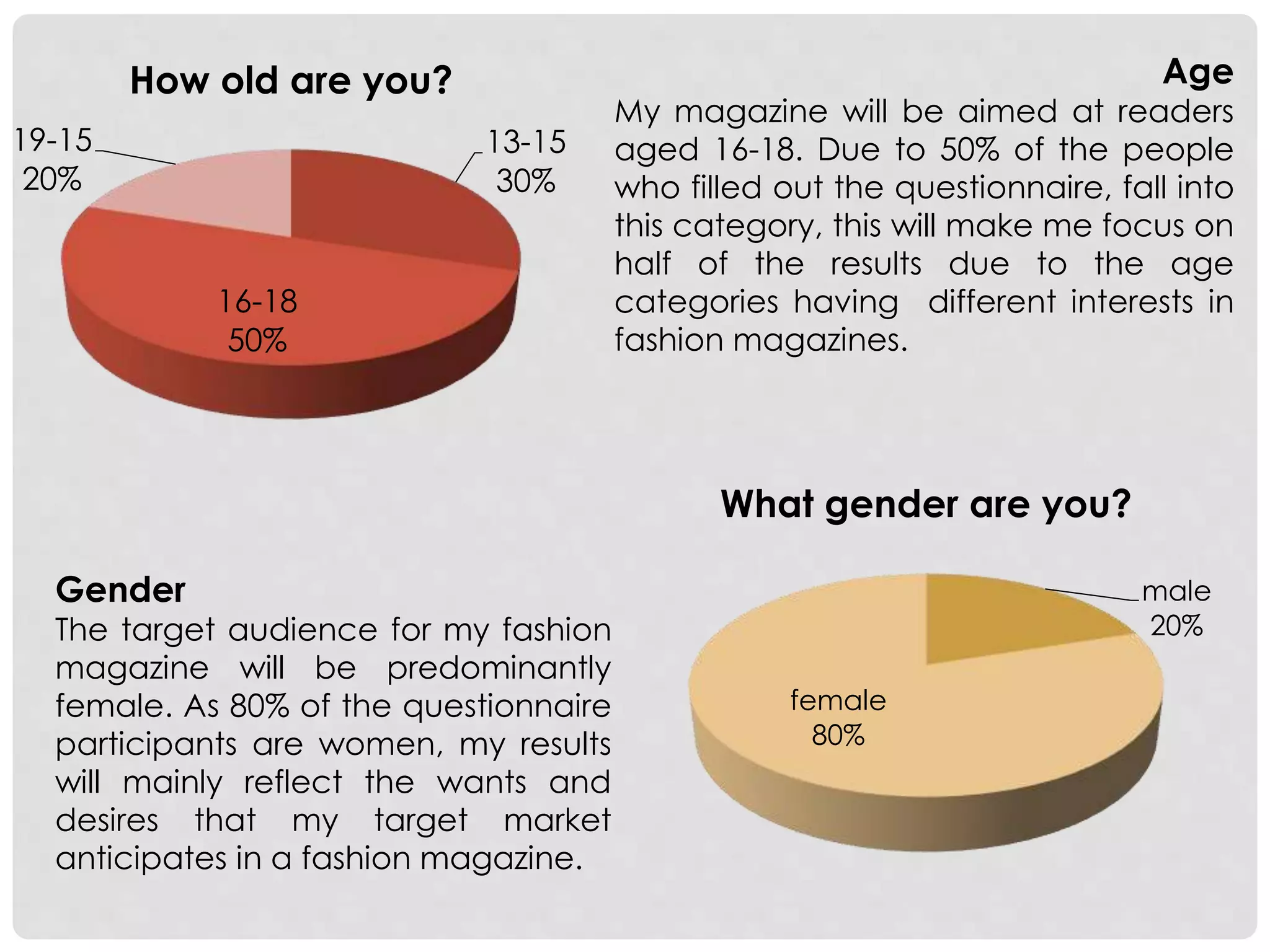
     My target audience for a beauty magazine is typically people are intrested in makeup, skincare, haircare, and overall your personal appearance. Most readers are usally teens to adults 18-40, with specific publications catering to different life stages. Some magazines may focus on older demographics depending on the products and trends featured. Our audience is people looking for tips, tutorials, product reviews, and advice on fashion and self-care. It can also be influenced by trends on social media, celebrity beauty routines, and lifestyle content. For my magazine my target audience would be teen and young adult readers who enjoy experimenting with beauty products, keeping up with trends, and learning new techniques. My content, language, and visuals would be tailored to be engaging and relateble to them.

    Social media and celebrity beauty routines have a huge impact on teens and young adults, many follow trends from platforms like Instagram, TikTok, and YouTube, where influencers and celebrities share makeup tutorials, skincare tips, and product reviews. A popular beauty trend has been on YouTube where celebrities and influencers do Vogue beauty routines where they show what products they use and tutorials. This basically promotes the products shown in the videos and gets their viewers to purchase. In our current day generation it is all about what the next micro-trend is going to be, in beauty magazines this helps promote certain products on advertisement. In beauty magazines thats why its important to have a known face on the cover, it'll get more sales because people are inspired to be more like them. It highlights celebrity approved looks and step by step guides, for example in a beauty magazine it can include a "Get the Look" section showing how to recreate a celebrity's look. 

Fashion Magazine Audience Research | PPTX

Table of contents in magazines

toc_elle

     The table of contents in magazines acts as a guide that helps readers easily navigate the issue and understand what content will be included, It list article titles, section headings, and the page numbers that align with each topic. Many magazines group content into categories such as feature interviews, beauty, or lifestyle to make navigation easier for readers, Visual elements like images, icons, color, accents, and consistent typogrpahy are often used to reflect the magazines overall brand and genre. For example, beauty magazines include small preview images of makeup looks, skincare products, or models alongside feature articles to highlight key sections and attract the readers interest. 

    In my magazine, I would apply these conventions by organizing the table of contents into clear labeled beauty related sections, using a clean balanced layout with consistent fonts and spacing. I will be using a soft cohesive color palette that reflects the beauty theme and include small images to preview important articles. Clear page numbers and simple design choices to ensure the table of contents is both visually appealing and easy for readers to use.

    In high-end magazines the table of contents can spread to two-three pages, it is interspersed with high value advertisements. It showcases the major/high value articles ensuring the important content is not missed. It provides a direct and easy way to navigate specific content, enabling readers to jump straight to articles, rather than flipping through every page. By having organized content it reduces the effort required to find, read, and navigate, creating a better experience for readers. The table of contents is one of the first impressions that sets the tone for the rest of the magazine to see if its appealing to the readers intrest. 

Technical Element Conventions


FASHION Magazine May 2013 Cover: Isla Fisher - FASHION Magazine
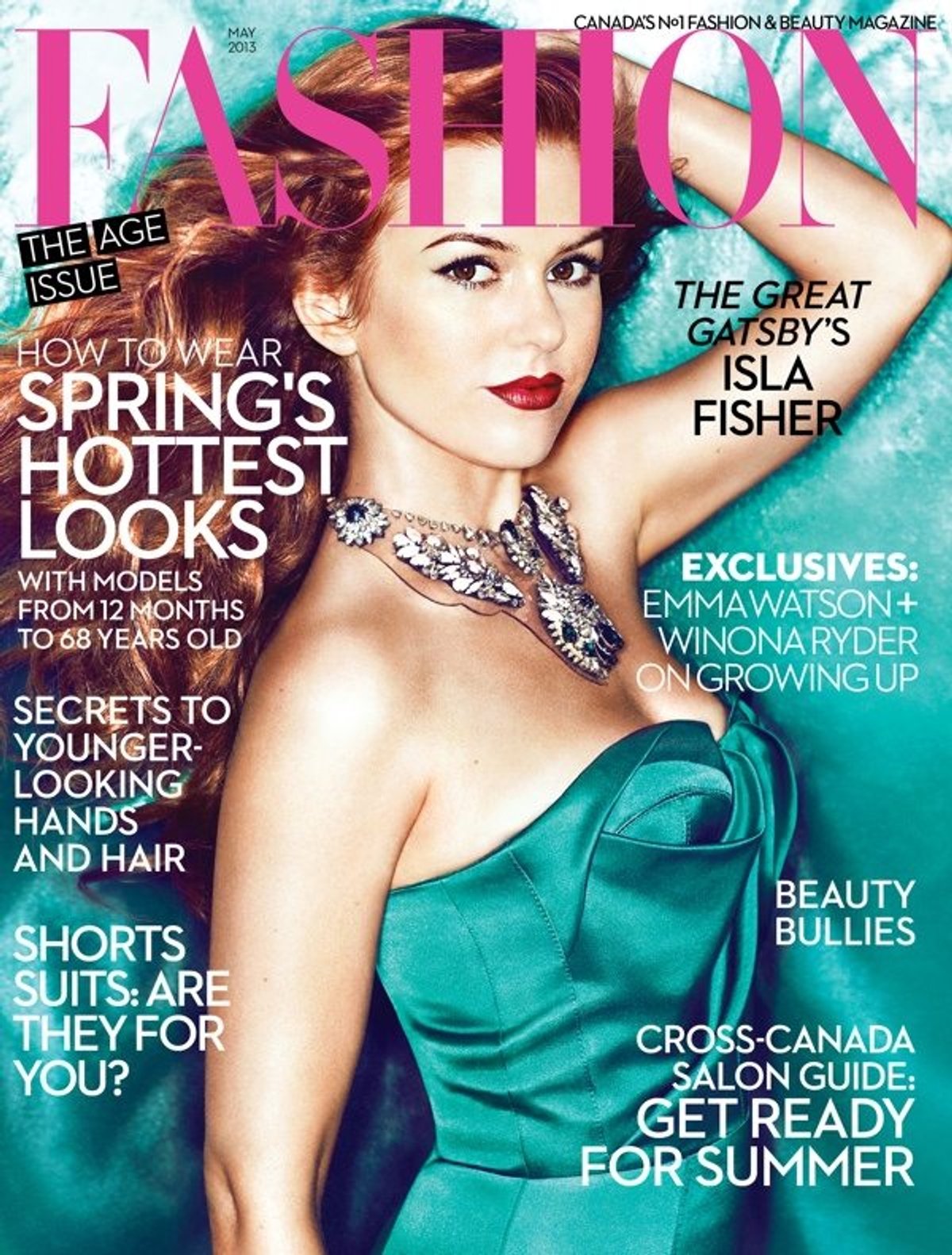
    Magazine cover conventions include several key elements. The masthead is the magazines title, usually placed at the top in a large font, it could be a distinctive font to help with brand recognition. The main image is a prominment and clear photograph, either featuring a celebrity, this is designed to attract the viewers attention. Cover lines are engaging headlines that highlight the content inside the magazine, often placed in the left side for visibility on shelves. The bar-code and price are positioned in a cosistent corner, such as  the bottom right. Lastly, pugs or stars are small grapphic elements used to draw attention to special features or offers.


Technical elements in magazines include the use of consistent typography to create clear readability, in magazines they carefully choose their color palette that reflects the magazines genre and brand identity. An example for color palette that I often see are in fahsion magazines, they use neutral tones such as black, white, beige, and soft pastels to create a clean and elegant look. Fashion magazines typcially choose this color palette to maintain a sophisticated brand identiy. In youth or lifestyle they use brighter colors like pinks, yellow, bright blues, to create an energetic feel and making it more eye catching. Layouts are organized using grid systems and columns to keep content structured and visually balanced. High quality and professionally edited images are used to maintain a visual appeal, this ensures the photos are sharp and with balanced lightning and smooth color correction. The level of image quality attracts readers and reinforces the magazines professional and credible brand image. 

How to Design a Magazine Cover in 2026

CCR

 Hey Blog! for my final production on my magazine have answered the key four CCR questions. CCR Question 1  https://youtu.be/Uixg84ogcAg CCR...